
Most businesses today don't rely on just one marketing channel. They run Google ads, post on Instagram, try to rank on search engines, and sometimes do all three at once, often without a clear plan connecting them.
That's where things get complicated.
SEO, PPC, and social media are three of the most widely used digital marketing tools. Each one works differently. Each one has its own strengths. But when they're treated as separate, disconnected efforts, a lot of time and money gets wasted.
The real power comes when these channels work together feeding each other, filling in gaps, and building something stronger than any one of them could do alone.
What Is SEO and Why Does It Matter?
SEO stands for Search Engine Optimization. In simple terms, it's the process of making your website more visible on search engines like Google without paying for ads.
When someone types "best coffee shop near me" or "how to fix a leaking tap," Google shows them a list of results. SEO is the work that goes into helping your website appear in those results naturally.
The Long Game
SEO takes time. It's not something that delivers overnight results. You need to create good content, build credibility online, and make sure your website is technically sound. It can take months before you start seeing strong rankings.
But the payoff is worth it. Once your pages rank well, you get a steady stream of visitors without paying for every click. It's one of the most cost-effective strategies over the long run.
SEO also helps you understand what your audience is actually searching for. That kind of insight is useful far beyond just rankings.
What Is PPC and How Does It Work?
PPC stands for Pay-Per-Click advertising. This is where you pay to appear at the top of search results or on other platforms. Google Ads is the most common example, but PPC also includes paid social ads on platforms like Facebook, Instagram, and LinkedIn.
With PPC, you bid on keywords. When someone searches for that keyword, your ad has a chance to appear. You only pay when someone actually clicks on it hence the name.
The Speed Advantage
Unlike SEO, PPC works fast. You can set up a campaign today and start getting traffic tomorrow. This makes it incredibly useful when you need quick results like promoting a seasonal sale, launching a new product, or entering a new market.
PPC also gives you a huge amount of data. You can see exactly which keywords are driving clicks, what time of day people are most active, which ad copy performs better, and how much it costs to acquire a customer.
That data is gold. And it doesn't just help your paid campaigns it can directly inform your SEO strategy too.
The Role of Social Media
Social media is a different animal. Platforms like Instagram, Facebook, LinkedIn, TikTok, and X (formerly Twitter) aren't primarily search engines. People go there to connect, be entertained, discover new things, and engage with brands they like.
Social media is powerful for building awareness and trust. It's where your brand gets to show its personality behind-the-scenes content, customer stories, helpful tips, product showcases, and honest conversations.
Building a Community, Not Just an Audience
The best brands on social media don't just broadcast. They listen and respond. They build communities around shared interests and values.
This creates something SEO and PPC can't easily replicate: emotional connection. When people genuinely like and follow a brand on social media, they're more likely to search for it directly, click on its ads, and recommend it to others.
Social media also drives traffic to your website, which sends positive signals to search engines. It's all connected.
How These Three Channels Support Each Other
This is the part most people miss. SEO, PPC, and social media aren't competing strategies. They complement each other in very practical ways.
SEO Informs PPC (and Vice Versa)
When you do keyword research for SEO, you discover which terms your audience is using. You can use those exact keywords in your PPC campaigns. On the flip side, PPC campaigns quickly show you which keywords actually convert not just which ones bring traffic. That data helps you prioritize your SEO content.
If a particular keyword is driving a lot of paid conversions, that's a strong signal that you should also try to rank for it organically.
PPC Fills the Gap While SEO Grows
SEO takes time to build momentum. PPC can keep your business visible while your organic rankings develop. Think of it like this: PPC is the short-term bridge, SEO is the long-term road.
Running both at the same time means you're never invisible. You show up in paid results today, and over time, you start showing up organically too, doubling your visibility without doubling your costs.
Social Media Amplifies Your Content
You spend time writing a helpful blog post for SEO purposes. But if nobody sees it at first, it can't gain traction. Sharing that post on social media gets it in front of your audience quickly. If people engage with it, share it, or link to it, those signals can actually improve its search rankings.
Social media is also a great testing ground. If a topic or piece of content performs well organically on social media, it's a strong hint that people care about it and that running a PPC ad around it might work well too.
A Simple Real-World Example
Imagine a small bakery in Dubai that wants to grow online.
They start with SEO writing blog posts about recipes, local events, and behind-the-scenes stories about their baking process. At the same time, they run a targeted Google Ads campaign to appear when someone searches "custom cakes Dubai" a term that might take months to rank for organically.
On Instagram and Facebook, they post beautiful photos of their cakes, share customer reviews, and run polls asking followers what flavour they'd like to see next. This builds a loyal following.
Over time, their SEO gains traction. Their blog posts start ranking. Their social following grows and drives organic traffic. Their PPC campaigns show them which products attract the most interest, so they refine their menu and their messaging.
Each channel is doing its job and also making the other channels work better.
Why Integration Matters More Than Individual Efforts
Businesses often make the mistake of treating these three channels as separate departments. The social media person does their thing, the SEO team does theirs, and the ads manager operates independently. There's no shared data, no common strategy.
This wastes the budget and creates inconsistent messaging. Customers see something different at every touchpoint, and nothing reinforces anything else.
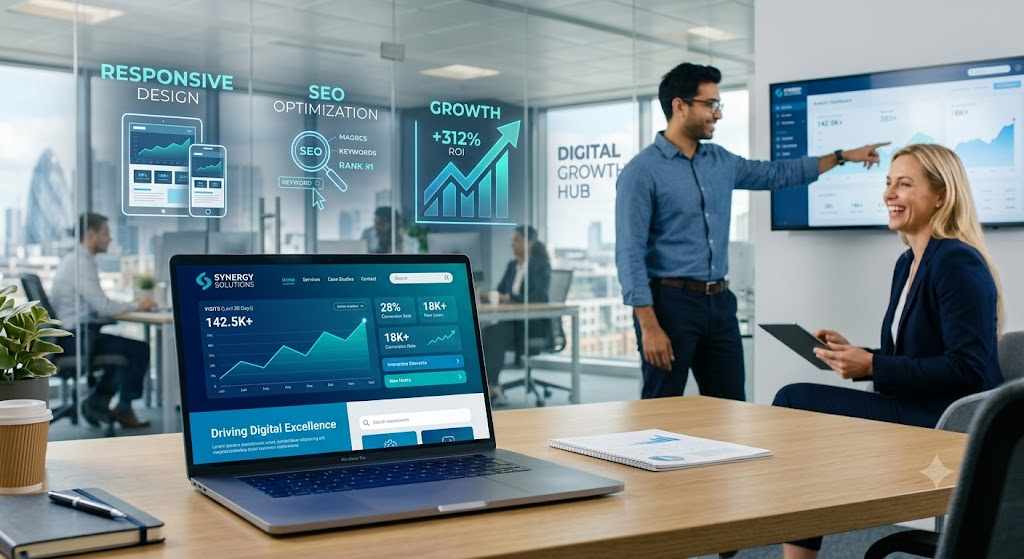
Businesses that invest in digital marketing services in Dubai — or anywhere else — tend to see much better results when all three channels are aligned under one clear strategy. Shared goals, shared data, consistent messaging, and a plan that lets each channel support the others.
Building a Strategy That Lasts
There's no perfect formula that works for every business. But the principle is the same for everyone: use each channel for what it does best, and make sure they're talking to each other.
Use SEO to build long-term visibility and authority. Use PPC to move fast, test ideas, and fill gaps. Use social media to connect with people, build trust, and amplify everything else.
Don't think of it as three separate budgets chasing three separate goals. Think of it as one strategy with three engines each one pulling in the same direction.
When that alignment happens, the results aren't just additive. They're multiplicative. And that's when digital marketing starts to feel less like an expense and more like an investment.


Write a comment ...