
In today’s fast-paced world, it is hard to find anyone who isn't carrying a smartphone. We use them for everything—checking the weather, ordering lunch, chatting with friends, and managing our finances. For businesses, this shift isn't just a trend; it’s a massive opportunity to connect with customers where they spend most of their time.
But having a mobile app isn’t just about "being digital." It’s about building a bridge. Unlike a website that someone might visit once and forget, an app lives on a user's home screen. It’s a constant reminder of your brand. In this article, we will explore how mobile apps serve as the ultimate tool for improving customer engagement and why they have become essential for modern business growth.
1. Creating a Direct Line of Communication
In the past, if a business wanted to talk to a customer, they had to hope the customer opened an email or stumbled across a social media post. Mobile apps change that dynamic entirely.
With an app, you have a direct channel to your audience. You aren’t competing with thousands of other tabs in a web browser. When a user opens your app, they are giving you their full attention. This focused environment allows businesses to share updates, news, and valuable content without the "noise" of the open internet.
2. The Power of Personalisation
One of the biggest reasons customers delete apps is because the content feels irrelevant. Conversely, the reason they stay is personalisation.
Mobile apps can track user preferences, purchase history, and even location. This data allows a business to tailor the experience for every individual. For example:
A clothing store app can suggest outfits based on previous buys.
A coffee shop app can remember a user's "usual" order for a one-tap checkout.
A travel app can offer deals on destinations the user has recently searched for.
When a customer feels like a brand "gets" them, engagement levels skyrocket. It moves the relationship from a simple transaction to a personalized partnership.
3. Instant Reach via Push Notifications
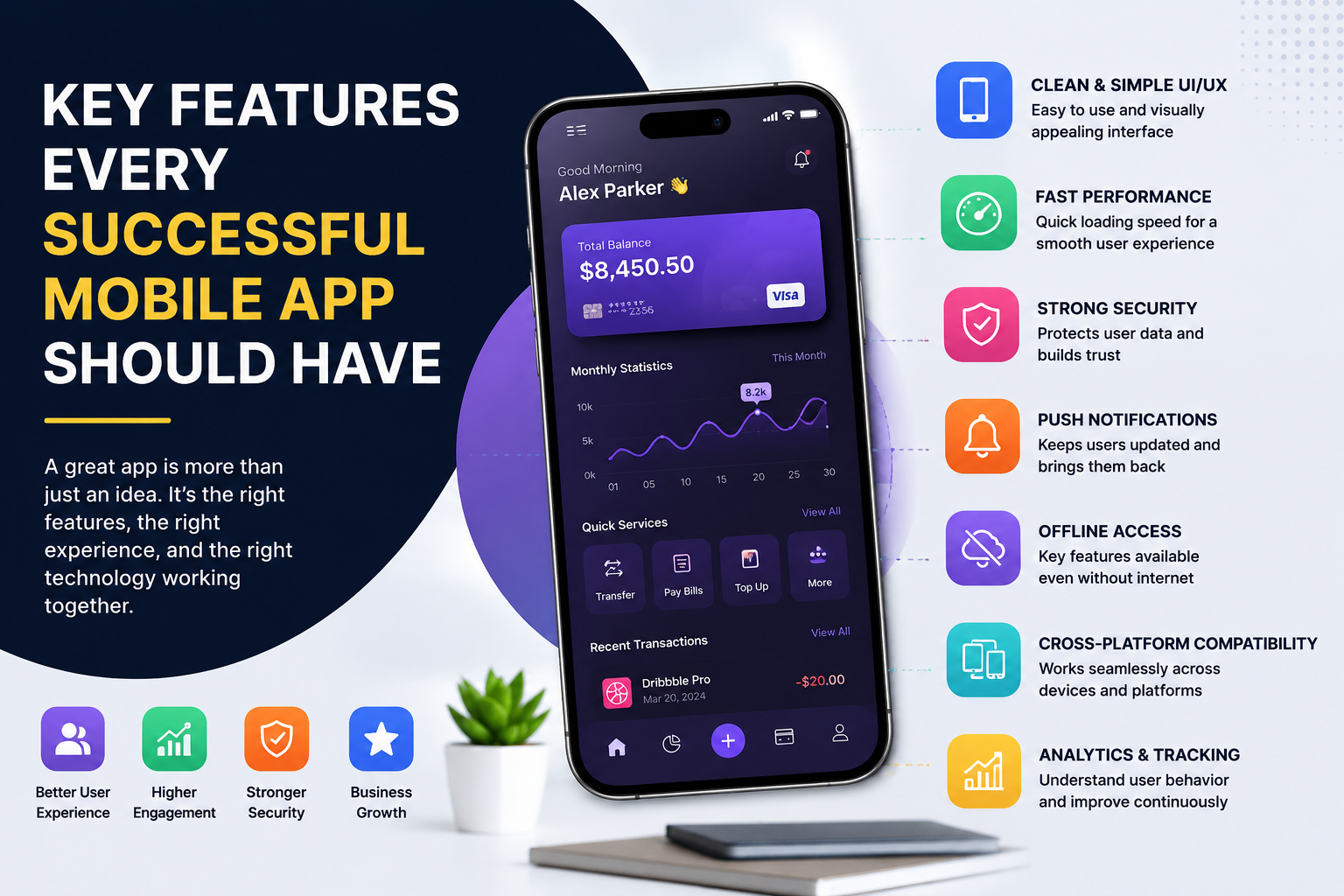
Push notifications are perhaps the most powerful engagement tool in a mobile app’s arsenal. When used correctly, they act as a gentle tap on the shoulder.
Unlike emails, which might sit in an inbox for days (or end up in spam), push notifications are seen almost instantly. They can be used to:
Announce a flash sale.
Remind a user about items left in a shopping cart.
Provide real-time updates on a delivery or service.
The key here is balance. If a business sends too many notifications, it becomes annoying. But if they are timely and helpful, they keep the brand at the forefront of the consumer's mind.
4. Building Lasting Customer Loyalty
Loyalty programs used to involve physical cards that people would lose or forget at home. Mobile apps have digitised this experience, making it seamless and even fun.
By integrating a loyalty program directly into the app, businesses encourage repeat visits. Users can easily track their points, see how close they are to a reward, and redeem coupons with a quick scan. This "gamification" of the shopping experience makes customers feel rewarded for their business, which naturally leads to higher engagement and longer-term retention.
5. Improving Customer Support
Customer service can make or break a brand. If a customer has a problem and has to search for a phone number or wait 24 hours for an email reply, they get frustrated.
Mobile apps allow for instant support through features like:
In-app Chat: Users can talk to a representative or a smart chatbot in real-time.
FAQs: A well-organised help section can solve common problems without the user ever leaving the app.
Click-to-Call: One button connects the user to a support line.
When a customer knows that help is only a tap away, their trust in the brand increases. This sense of security is a major pillar of engagement.
6. A Faster and Smoother User Experience
Speed matters. Research shows that users will abandon a mobile website if it takes more than a few seconds to load. Mobile apps are generally much faster than mobile websites because they store data locally on the device.
Beyond speed, the User Experience (UX) is more intuitive. Apps are designed specifically for touchscreens, using gestures like swiping and pinching that feel natural to smartphone users. A smooth, glitch-free experience makes people want to spend more time in the app, exploring products and interacting with the brand.
7. Gaining Valuable Insights
To engage customers, you have to understand them. Mobile apps provide a wealth of analytics that help businesses see what’s working and what isn’t.
Which features are used most?
Where do people "drop off" in the buying process?
How much time do they spend on specific pages?
By analysing this behaviour, businesses can constantly refine the app to better serve their audience. For businesses looking to enter a competitive market, partnering with a professional mobile app development agency in Dubai can help ensure the app is built with these analytical capabilities from day one, allowing for data-driven growth.
8. Bridging the Gap Between Online and Offline
For businesses with physical locations—like retail stores, gyms, or restaurants—an app can connect the digital and physical worlds.
Features like Geofencing allow an app to send a special discount code to a user’s phone the moment they walk past the storefront. Alternatively, "Click and Collect" features allow users to order through the app and pick up their items in person. This "omnichannel" approach ensures that the customer is engaged with the brand no matter where they are.
9. Social Media Integration
Most people use their phones to access social media. By integrating social sharing buttons within a mobile app, businesses encourage users to share their favourite products or achievements with their own networks. This not only boosts engagement for the current user but also acts as free word-of-mouth marketing to potential new customers.
Conclusion
Mobile apps have evolved from being a "luxury" for big corporations to a "necessity" for businesses of all sizes. They provide a unique space where communication is direct, rewards are easy to earn, and the experience is tailored to the individual.
When a business invests in a high-quality mobile experience—perhaps by consulting with a mobile app development agency in Dubai to ensure top-tier local expertise—they aren't just building a piece of software. They are building a platform for community, loyalty, and long-term success. By focusing on the user’s needs and providing consistent value, a mobile app can turn a one-time buyer into a lifelong fan.

Write a comment ...